Why UAP Research Is Becoming a Global Scientific Priority

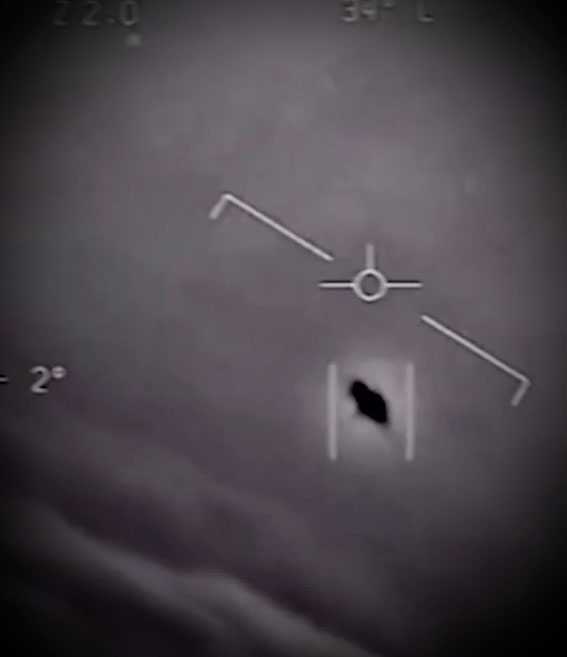
Over the past few years, the study of Unidentified Aerial Phenomena (UAP) has evolved from a niche topic into an area of growing international interest. Governments, scientists, and research organizations are increasingly recognizing that unexplained aerial observations deserve systematic investigation. This shift is changing the global conversation and creating new opportunities for collaboration and discovery.

One of the key drivers behind this momentum is the accumulation of credible data collected through advanced technology. Radar systems, satellites, and high-resolution sensors are now capable of capturing anomalies that were previously impossible to document accurately. As a result, many researchers believe that the time has come to approach UAP with the same scientific discipline applied to other complex phenomena.

In Europe, initiatives such as the ECHO Congress are helping to accelerate this process by bringing together experts from multiple fields. These events encourage open discussion, data sharing, and the development of research frameworks that can support long-term scientific inquiry.

The Global Rise of UAP Investigations

Interest in UAP is no longer limited to isolated research groups. Instead, it has become a topic of discussion among international organizations, academic institutions, and policymakers.

Governments Taking the Phenomenon Seriously

Several governments have begun to publicly acknowledge that some aerial phenomena remain unexplained. This recognition has led to the creation of specialized investigative programs and committees focused on collecting and analyzing data.

The involvement of government institutions has had several effects:

  • Increased credibility of the research field
  • Greater funding opportunities for scientific studies
  • Improved coordination between agencies
  • More systematic reporting procedures

These developments suggest that UAP research is gradually becoming part of broader aerospace and security discussions.

The Role of Scientific Institutions

Universities and research centers are also beginning to show interest in the topic. While caution remains, many scientists agree that unexplained observations should not be ignored simply because they challenge existing assumptions.

Academic involvement is particularly important because it introduces peer review, methodological rigor, and long-term research strategies.

The Importance of International Collaboration

UAP sightings occur across the globe, which makes international cooperation essential. A single country rarely has access to all the data required to fully understand these phenomena.

Why Collaboration Matters

When researchers from different countries work together, they can:

  • Compare data from multiple observation systems
  • Identify patterns that might otherwise go unnoticed
  • Improve verification processes
  • Share technological resources

This collaborative approach significantly improves the reliability of research outcomes.

How Global Events Support Cooperation

International congresses and research gatherings provide the infrastructure needed to support cooperation. The ECHO Congress is one example of how experts can come together to exchange knowledge and develop new ideas.

Such events create a neutral platform where scientists, analysts, and policymakers can discuss findings without the constraints that often exist within governmental structures.

Factors Driving the Expansion of UAP Research

Several factors have contributed to the rapid growth of interest in UAP studies over the past decade.

Technological Progress

Advancements in technology have made it easier to collect and analyze data. Artificial intelligence, machine learning, and advanced imaging systems now play an important role in identifying anomalies in large datasets.

Increased Public Interest

Public curiosity has also played a significant role. As media coverage expands and official reports become more accessible, people are becoming more aware of the subject.

Scientific Curiosity

Perhaps the most important factor is scientific curiosity. Unexplained observations challenge researchers to explore new possibilities and question existing models of understanding.

Key Drivers of Modern UAP Research

DriverExplanation
Technological InnovationImproved detection systems provide more reliable data
Government TransparencyPublic reports encourage scientific engagement
International ConferencesEvents like ECHO foster collaboration and dialogue
Academic ParticipationUniversities contribute research methodologies and analysis
Media AttentionIncreased coverage raises awareness worldwide

Challenges That Still Exist

Despite growing progress, several challenges continue to slow the development of UAP research as a recognized scientific field.

Data Accessibility Issues

One of the biggest challenges is access to reliable data. Much of the most detailed information is still classified or restricted, making it difficult for independent researchers to analyze.

Scientific Skepticism

Skepticism remains an important part of scientific inquiry, but in the case of UAP research it has sometimes resulted in limited engagement. Overcoming this barrier requires consistent demonstration of credible methodologies.

Need for Unified Standards

Different organizations often use different reporting methods and classification systems. Without standardization, it becomes difficult to combine datasets from various sources.

The Potential Scientific Impact of UAP Studies

Many researchers believe that the study of UAP could lead to discoveries that extend beyond the phenomenon itself. Even if most cases eventually receive conventional explanations, the process of investigation can still produce valuable knowledge.

Areas That Could Benefit

Research in this field may contribute to:

  • Aerospace safety improvements
  • Detection technology development
  • Atmospheric science advancements
  • Data analysis innovations

These benefits illustrate why many scientists now see value in examining UAP more closely.

Expanding Scientific Boundaries

History shows that many scientific breakthroughs began with unexplained observations. Investigating anomalies often leads to new theories, improved technologies, or entirely new fields of study.

For this reason, researchers involved in initiatives like ECHO emphasize the importance of curiosity and open-minded analysis.

The Growing Role of Europe in UAP Research

Europe is gradually becoming a more active participant in the global UAP research landscape. While the region was previously less visible in the field, new initiatives are changing that.

Events like the ECHO Congress demonstrate that European institutions are ready to contribute to international discussions and research efforts. By hosting experts and encouraging collaboration, Europe is positioning itself as an important hub for future developments.

In addition, the involvement of researchers from multiple countries helps create a balanced perspective that integrates scientific rigor with open exploration.

Conclusion

The increasing global attention given to Unidentified Aerial Phenomena reflects a broader shift in how the scientific community approaches unexplained events. Rather than dismissing them, researchers are now recognizing the potential value of systematic investigation.

Organizations, governments, and scientific institutions are beginning to work together to build a structured approach to the study of UAP. Through collaboration, transparency, and technological innovation, the field is evolving rapidly.

As initiatives like the ECHO Congress continue to grow, the future of UAP research appears more organized, credible, and scientifically grounded than ever before. The coming years may bring new insights that deepen our understanding not only of unexplained aerial phenomena but also of the complex systems that shape our universe.