UAP Research Gains Momentum in Europe as ECHO Congress Expands Scientific Dialogue

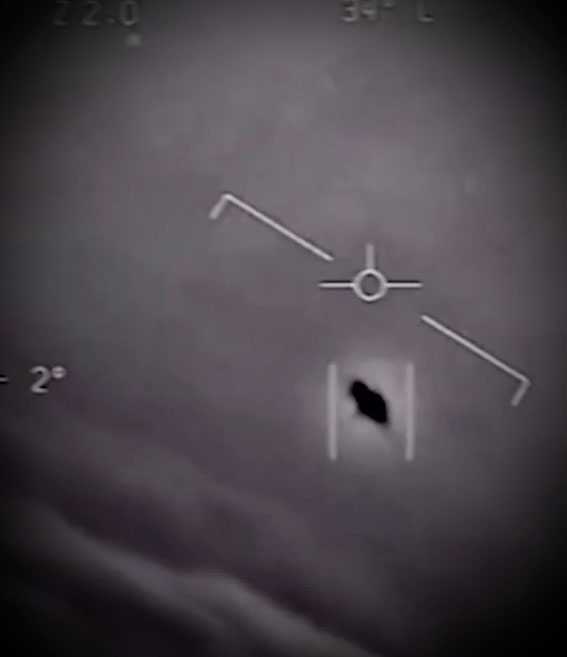
The global conversation around Unidentified Aerial Phenomena (UAP) is undergoing a profound transformation. Once dismissed as fringe speculation, the subject is now entering mainstream scientific and governmental discussions. This shift is being driven by new data, increased transparency, and the involvement of respected institutions.

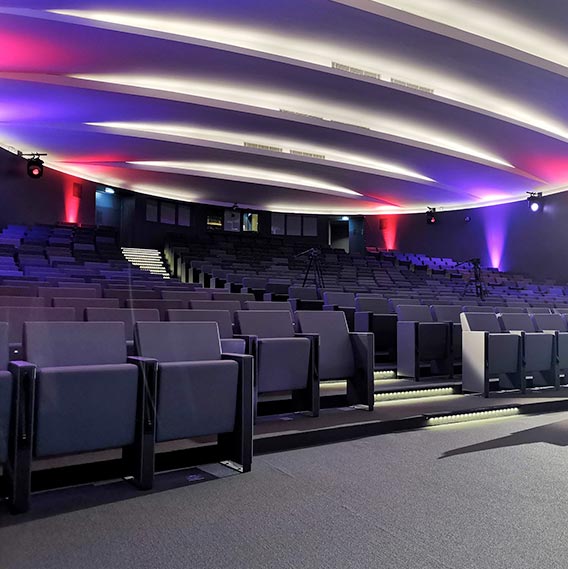
In Europe, this evolution is gaining traction through initiatives like the ECHO Congress in Paris. The event represents a structured effort to bring scientific credibility and interdisciplinary collaboration to a topic long overshadowed by skepticism.

The Changing Perception of UAP

For decades, UAP—commonly referred to as UFOs—were largely associated with conspiracy theories and unverified claims. This perception discouraged serious scientific engagement and limited institutional involvement.

However, recent developments have begun to change this narrative.

Government Recognition and Transparency

One of the most significant turning points has been the increased transparency from government bodies, particularly in the United States. Official hearings, declassified reports, and public statements have acknowledged that certain aerial phenomena remain unexplained.

This recognition has had a global impact, encouraging other regions—including Europe—to revisit their approach to UAP research.

Scientific Community Re-engagement

As the stigma surrounding UAP begins to fade, more scientists are exploring the topic with renewed interest. Advances in technology have made it possible to collect higher-quality data, transforming anecdotal reports into measurable observations.

This shift is crucial in moving the discussion from speculation to evidence-based research.

The Role of ECHO Congress in Europe

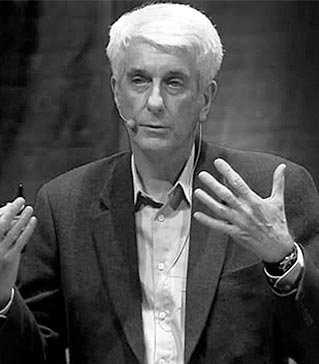
The ECHO Congress is emerging as a central platform for UAP research in Europe. By bringing together experts from various disciplines, it aims to create a collaborative environment focused on scientific inquiry.

Key Objectives of the Congress

The initiative is built around several core goals:

  • Promote scientific research on UAP
  • Improve public understanding through verified information
  • Encourage international collaboration
  • Centralize global UAP data and documentation
  • Explore new scientific hypotheses

These objectives reflect a comprehensive approach to addressing the complexities of the phenomenon.

A Multidisciplinary Approach

One of the defining features of the ECHO Congress is its interdisciplinary nature. Participants include:

  • Astrophysicists
  • Engineers
  • Historians
  • Former military officials
  • Policy experts

This diversity allows for a more holistic understanding of UAP, combining technical expertise with historical and strategic perspectives.

Technological Advances Driving UAP Research

Modern technology plays a critical role in the evolution of UAP studies. Unlike in the past, researchers now have access to advanced tools that enhance data accuracy and reliability.

Key Technologies Used in UAP Analysis

These include:

  • High-resolution satellite imaging
  • Infrared and thermal sensors
  • Radar tracking systems
  • AI-based data analysis tools

Together, these technologies enable researchers to analyze phenomena with unprecedented precision.

Overview of Key Factors in Modern UAP Research

FactorImpact on Research
Government InvolvementLegitimizes the topic and encourages funding
Advanced TechnologyImproves data collection and analysis
Scientific ParticipationBrings credibility and structured methodologies
Public InterestDrives demand for transparency and information
International CollaborationExpands data sharing and global understanding

Challenges Facing UAP Research

Despite the growing momentum, several challenges continue to hinder progress in the field.

Persistent Stigma

Even with increased legitimacy, UAP research still carries a degree of stigma. Many scientists remain cautious about associating themselves with the topic due to concerns about credibility.

Lack of Standardization

There is currently no universal framework for collecting and analyzing UAP data. This lack of standardization makes it difficult to compare findings across different studies and regions.

Data Limitations

While technology has improved, access to high-quality data remains limited. Much of the most valuable information is still held by government agencies and is not publicly available.

The Future of UAP Studies in Europe

The establishment of events like the ECHO Congress suggests a promising future for UAP research in Europe. By fostering collaboration and promoting transparency, the initiative has the potential to reshape the field.

Emerging Opportunities

Several opportunities are beginning to emerge:

  • Development of dedicated research institutions
  • Increased funding for scientific studies
  • Greater involvement of universities and academic bodies
  • Expansion of international partnerships

These developments could significantly accelerate progress in understanding UAP.

Long-Term Scientific Implications

The study of UAP may have broader implications beyond the phenomenon itself. It could lead to advancements in:

  • Aerospace technology
  • Atmospheric science
  • Data analysis techniques
  • Understanding of unknown physical processes

Such discoveries have the potential to influence multiple scientific disciplines.

Conclusion

The evolving landscape of UAP research marks a significant shift in how unexplained phenomena are approached. What was once dismissed is now being examined with seriousness and scientific rigor.

The ECHO Congress stands at the forefront of this transformation in Europe. By bringing together experts, promoting collaboration, and emphasizing evidence-based research, it is helping to redefine the narrative around UAP.

As interest continues to grow, the field is likely to attract more attention from both the scientific community and the public. This momentum could ultimately lead to new discoveries and a deeper understanding of one of the most intriguing mysteries of our time.