Inside the ECHO Congress: How Global Experts Are Redefining the Study of UAP

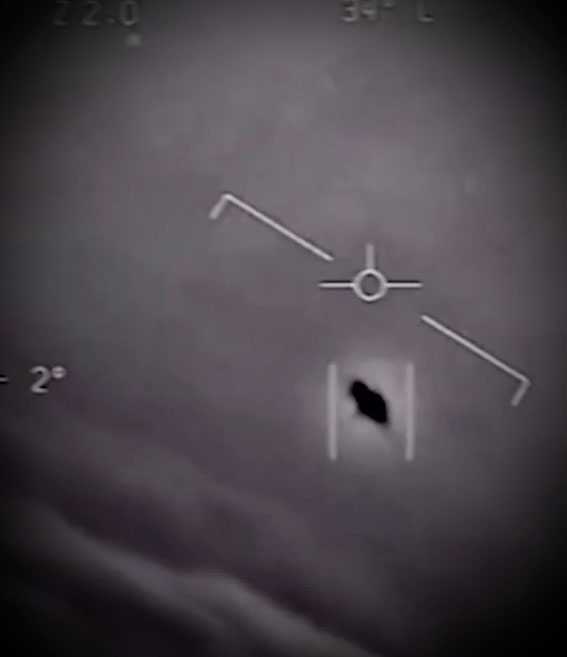
The study of Unidentified Aerial Phenomena (UAP) is entering a new era, one defined not by speculation but by structured analysis, interdisciplinary collaboration, and increasing institutional support. At the center of this transformation in Europe stands the ECHO Congress, an international event designed to bring clarity, credibility, and scientific rigor to one of the most debated topics of modern times.

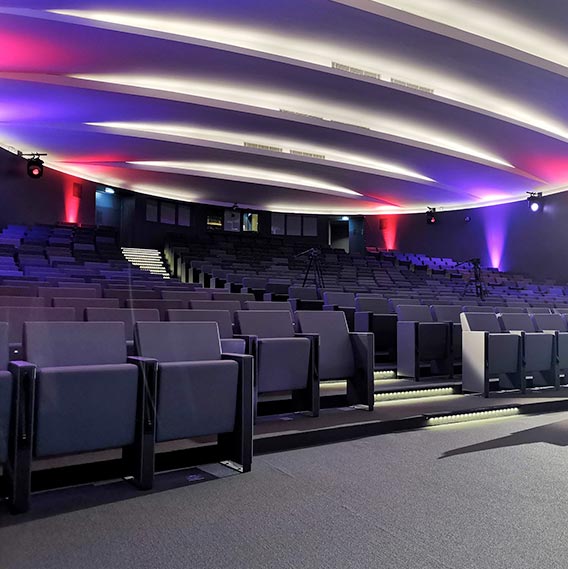
Held in Paris, the ECHO Congress is more than just a conference. It is a strategic initiative aimed at reshaping how UAP are perceived, studied, and discussed across scientific, political, and public domains. By gathering experts from around the world, the congress is helping to establish a new standard for UAP research in Europe and beyond.

A New Framework for UAP Research

For decades, the lack of a structured framework has been one of the primary obstacles in UAP studies. Without standardized methodologies or centralized data systems, research efforts have often been fragmented and inconsistent.

The ECHO Congress seeks to address this gap by promoting a unified approach.

Building Scientific Standards

One of the main priorities of the congress is to encourage the development of standardized research protocols. These include:

  • Consistent methods for data collection
  • Verification processes for sightings
  • Cross-referencing with existing aerospace and atmospheric data
  • Transparent reporting practices

By implementing such standards, researchers can ensure that their findings are credible, reproducible, and comparable across different studies.

Encouraging Data Transparency

Transparency is a key element in building trust, both within the scientific community and among the public. ECHO promotes the idea that data related to UAP should be accessible, verifiable, and clearly documented.

This approach not only enhances credibility but also allows independent researchers to contribute to the analysis.

The Role of International Experts

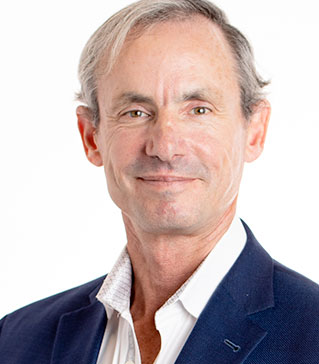
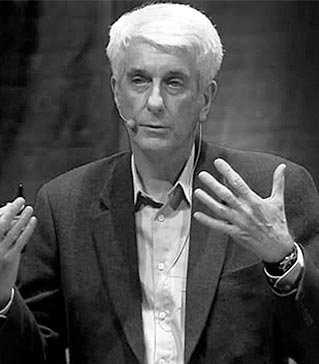
A defining feature of the ECHO Congress is its diverse lineup of speakers and participants. Experts from various fields bring unique perspectives, enriching the overall discussion.

Key Areas of Expertise

Participants at the congress represent a wide range of disciplines, including:

  • Astrophysics and cosmology
  • Aerospace engineering
  • Military intelligence and defense
  • History and archival research
  • Data science and artificial intelligence

This diversity ensures that UAP are examined from multiple angles, increasing the likelihood of meaningful insights.

Collaboration Across Borders

The international nature of the congress encourages collaboration between countries that have historically approached UAP research independently. By sharing data and methodologies, participants can build a more comprehensive understanding of the phenomenon.

This collaborative approach is particularly important given the global nature of UAP sightings.

How the Congress Is Structured

The ECHO Congress is designed to facilitate both knowledge sharing and active discussion. Its format includes a variety of sessions aimed at different aspects of UAP research.

Types of Sessions

The event typically features:

  • Scientific presentations
  • Roundtable discussions
  • Panel debates
  • Remote videoconferences with international experts

Each format serves a specific purpose, from presenting new findings to encouraging open dialogue and critical analysis.

Key Themes Discussed at the Congress

Several recurring themes have emerged as central to the discussions at ECHO.

Scientific Legitimization of UAP

One of the most important goals is to establish UAP as a legitimate field of scientific inquiry. This involves distancing the subject from unverified claims and focusing on evidence-based research.

The Need for Policy Development

As governments become more involved in UAP research, there is a growing need for clear policies and guidelines. These may include:

  • Reporting protocols for pilots and military personnel
  • Data-sharing agreements between countries
  • Funding frameworks for research initiatives

Public Communication and Education

Another critical theme is the importance of accurate communication. Misinformation can easily distort public perception, making it essential to provide reliable, well-documented information.

Summary of ECHO Congress Contributions

AreaContribution
Scientific ResearchPromotes evidence-based study and interdisciplinary collaboration
Policy DevelopmentEncourages structured frameworks for government involvement
Public AwarenessImproves access to accurate and verified information
International CooperationFacilitates global data sharing and joint research efforts
Technological IntegrationSupports the use of advanced tools for data analysis

Challenges and Criticism

While the ECHO Congress represents a significant step forward, it is not without its challenges.

Skepticism Within the Scientific Community

Some scientists remain cautious about engaging with UAP research due to its historical association with pseudoscience. Overcoming this skepticism requires consistent adherence to scientific standards.

Limited Access to Classified Data

A substantial portion of UAP-related data is held by government agencies and remains classified. This limits the ability of independent researchers to conduct comprehensive analyses.

Risk of Misinterpretation

Without proper context, data related to UAP can be misinterpreted. This highlights the importance of expertise and rigorous analysis in the field.

Future Directions for ECHO and UAP Research

The success of the ECHO Congress could pave the way for long-term developments in UAP research.

Potential Developments

  • Creation of dedicated European research centers
  • Increased funding for interdisciplinary studies
  • Integration of UAP research into academic programs
  • Development of international databases

These initiatives would significantly strengthen the infrastructure supporting UAP studies.

Expanding the Scientific Scope

As research progresses, new questions are likely to emerge. These may involve:

  • Unknown atmospheric or physical processes
  • Advanced aerospace technologies
  • Limitations of current detection systems

Exploring these areas could lead to breakthroughs that extend beyond UAP research itself.

Conclusion

The ECHO Congress represents a pivotal moment in the evolution of UAP research. By introducing structure, promoting collaboration, and emphasizing scientific integrity, it is helping to redefine how the phenomenon is studied and understood.

As more experts join the conversation and new data becomes available, the field is poised for significant growth. The work being done at ECHO is not only advancing our understanding of UAP but also demonstrating the value of open, interdisciplinary inquiry in addressing complex global questions.